Ciralight Advanced Daylighting Systems for Modern Infrastructure
The commercial lighting industry has undergone significant transformation over the past two decades. Building operators now seek solutions that reduce operational costs while improving occupant comfort and meeting sustainability goals. Traditional passive skylights have given way to sophisticated technologies that actively manage natural light distribution throughout the day.
The Evolution of Commercial Lighting Technology
Modern infrastructure projects increasingly prioritize natural light as a core design element rather than an afterthought. The integration of advanced daylighting technology addresses multiple challenges simultaneously including energy consumption, indoor environmental quality, and long term building performance.
From Passive Skylights to GPS Driven Illumination
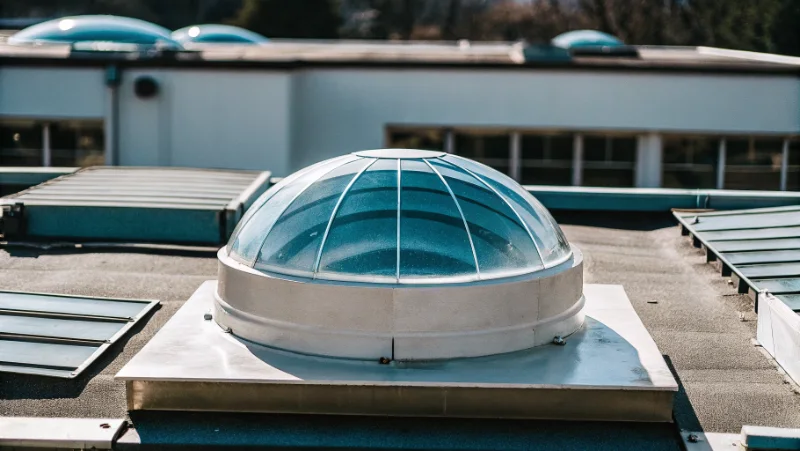
Passive skylights have existed for centuries as simple openings in roofs that allow sunlight to enter buildings. These traditional solutions suffer from significant limitations including inconsistent light distribution, excessive heat gain during summer months, and minimal effectiveness during early morning or late afternoon hours when the sun sits at low angles. The stationary nature of passive skylights means they only capture direct sunlight for a few hours each day.
The development of sun tracking technology represented a breakthrough in daylighting efficiency. By incorporating GPS controllers and motorized mirror arrays, active daylighting systems can follow the sun's path from sunrise to sunset. This dynamic positioning ensures consistent light capture throughout the day, dramatically extending the hours when natural illumination can replace electric lighting. Ciralight emerged as an innovator in this space by combining solar powered operation with precision tracking algorithms.
How Ciralight Global Pioneered Active Daylighting Solutions
The company's origins trace back to early daylighting research conducted in the 1970s when energy efficiency first became a priority for commercial buildings. Founder Lee Dominguez established the initial active skylight concepts through his company So-Luminaire, conducting extensive field testing to refine mirror geometries and tracking mechanisms. Ciralight Global formally launched its commercial operations in 2007, focusing exclusively on manufacturing and distributing GPS tracking daylighting systems.
The Science Behind Mirror Array Sun Tracking
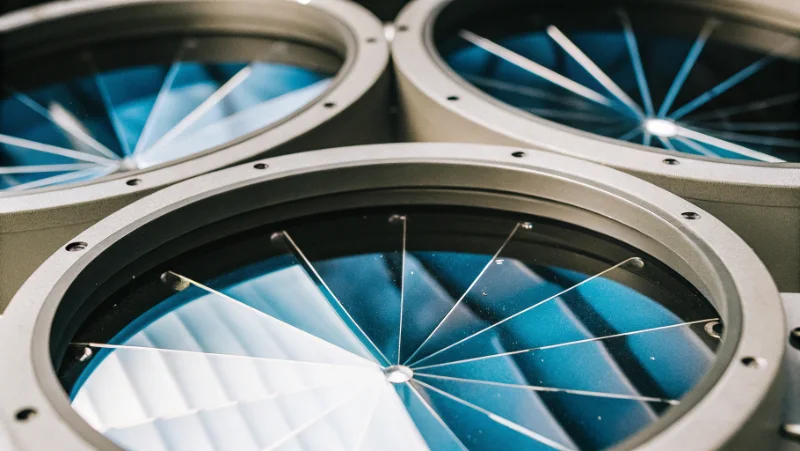
The core technology employs a triple mirror array positioned beneath a protective dome assembly. Each mirror sits at precisely calculated angles that redirect incoming sunlight downward through a prismatic diffusion lens. As the GPS controller detects changes in the sun's position, servo motors make micro adjustments to mirror angles, maintaining optimal light capture efficiency. Light distribution through the prismatic lens creates even illumination across large floor areas, eliminating the hot spots and glare problems common with passive skylights.
Performance Metrics and System Capabilities
Evaluating daylighting system performance requires understanding multiple factors beyond simple light output measurements. Facility managers need data on coverage areas, operational hours, seasonal variations, and durability to make informed investment decisions.
Daily Light Output and Coverage Analysis
| System Model | Roof Area Required | Daily Light Hours | Interior Coverage | Lumen Output |
|---|---|---|---|---|
| SunTracker 400 | 16 square feet | 10+ hours | 400-600 sq ft | 28,000-32,000 |
| SunTracker 800 | 32 square feet | 10+ hours | 800-1200 sq ft | 56,000-64,000 |
| Passive Skylight | 16 square feet | 4-6 hours | 200-300 sq ft | 12,000-18,000 |
| LED High Bay | Ceiling mount | 24 hours | 400-500 sq ft | 20,000-25,000 |
Light output measurements demonstrate the significant advantage of active tracking compared to passive skylights or electric alternatives. A single SunTracker 400 unit provides illumination equivalent to multiple high bay fixtures while consuming zero electricity during operation. The extended daily light hours mean facilities can turn off artificial lighting for the majority of business hours in properly designed installations.
Weather Resistance and Durability Testing Standards
Ciralight systems undergo rigorous testing to ensure reliable operation in harsh environmental conditions. The dome assembly withstands impacts up to 800 pounds without failure, protecting internal components from falling debris. Wind testing validates structural integrity at speeds exceeding 100 miles per hour, meeting building code requirements for hurricane prone regions. Temperature stability testing confirms operation across a range from extreme cold to desert heat, with all moving parts functioning normally between negative 40 and positive 140 degrees Fahrenheit.
Thermal Comfort and Heat Gain Management
Heat gain through daylighting systems represents a significant concern for facility managers, particularly in cooling dominated climates. Ciralight addresses this challenge through several design features that minimize unwanted thermal transfer. The air gap between the dome and diffusion lens creates an insulation buffer that reduces conducted heat. Reflective coatings on mirror surfaces direct visible light downward while rejecting infrared wavelengths that carry thermal energy.
Building Integration and Design Considerations
Successful daylighting implementation requires careful planning that addresses structural capacity, electrical coordination, and operational requirements. Projects that fail to consider these integration factors often experience cost overruns or performance shortfalls that undermine economic justification.
Structural Requirements for Retrofits and New Construction
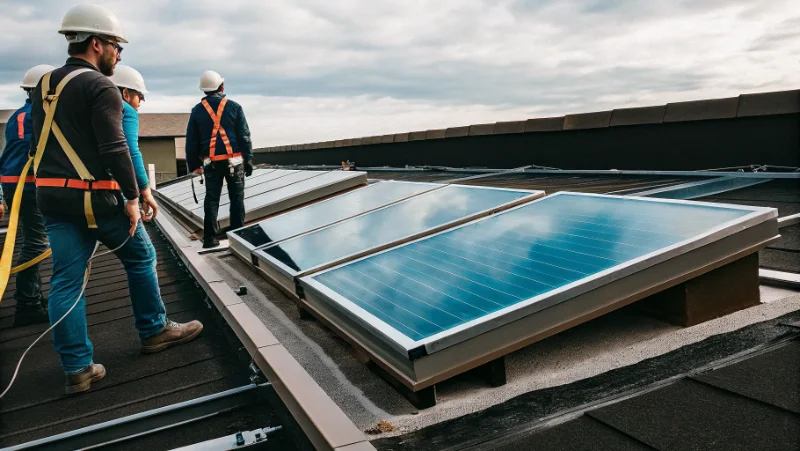
Roof structural capacity determines whether existing buildings can support daylighting system installations without reinforcement. Each SunTracker unit weighs between 150 and 300 pounds depending on size, concentrated on the roof opening perimeter. Most commercial roofs built to modern codes accommodate daylighting systems without modifications, though older structures may require localized reinforcement. New construction projects offer opportunities to optimize roof framing for daylighting integration from the initial design phase.
Coordinating Daylighting with Existing Electrical Systems
- Conduct comprehensive lighting audit to map existing fixtures, switching patterns, and energy consumption across all spaces targeted for daylighting retrofits, establishing baseline performance metrics for comparison.
- Design lighting control zones that separate perimeter areas receiving natural light from interior spaces requiring continuous artificial illumination, allowing independent control of fixtures based on available daylight.
- Install photosensor controls linked to dimming ballasts or relay switches that automatically reduce or turn off electric lighting when natural light levels exceed predetermined thresholds, maximizing energy savings without requiring occupant intervention.
- Program time delay circuits that prevent rapid cycling of lights during variable cloud conditions, maintaining stable illumination while avoiding excessive wear on lighting equipment from frequent switching operations.
- Integrate with building management systems to collect data on lighting energy consumption, daylight hours, and operational patterns, enabling continuous optimization and validation of energy savings projections.
The control strategy significantly impacts realized energy savings from daylighting investments. Automated controls using photosensors deliver 70 to 80 percent of theoretical maximum savings by responding immediately to changing light conditions.
Lighting Design Principles for Hospitality and Entertainment Venues
Entertainment and hospitality facilities face unique lighting challenges that differentiate them from typical commercial applications. These venues prioritize atmospheric control and guest experience alongside energy efficiency considerations. Casino properties, resort hotels, and entertainment complexes operate around the clock with substantial lighting loads.
Atmospheric Requirements in Casino Gaming Floors
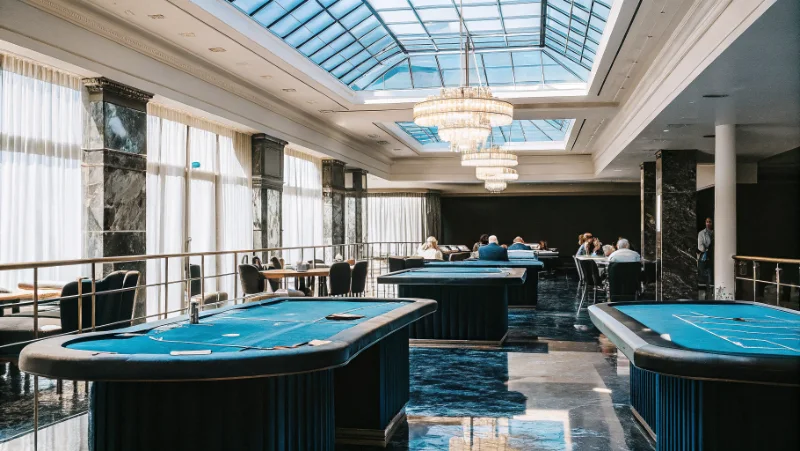
Casino environments present unique lighting challenges that differ substantially from typical commercial applications. Gaming floors operate continuously with no defined business hours, requiring lighting systems that maintain consistent atmospheric conditions regardless of time of day. Traditional casino design philosophy deliberately excluded windows and natural light to create timeless environments. Modern hospitality design increasingly questions whether windowless environments truly optimize guest experience. Research on human circadian rhythms demonstrates that exposure to natural light improves alertness, mood, and cognitive function.
Ciralight systems offer casino operators flexibility to introduce natural lighting in selected areas without compromising gaming floor aesthetics. Back of house spaces including employee break rooms, administrative offices, and service corridors benefit from daylighting installations that improve working conditions while slashing lighting energy costs. Restaurants, buffets, and lounges within casino properties provide ideal locations for natural light integration.
Balancing Natural and Artificial Light in 24 Hour Facilities
- Separate operational zones between gaming floors that maintain controlled artificial lighting and public amenities where natural light enhances guest experience, allowing targeted daylighting deployment without atmospheric conflicts.
- Implement transition spaces between naturally lit areas and gaming floors using graduated lighting levels that allow eyes to adapt smoothly, preventing jarring contrasts that might detract from the entertainment experience.
- Utilize natural light in hotel atriums and lobby areas where dramatic architectural features benefit from daylight exposure, creating memorable visual environments that reduce reliance on expensive artificial lighting installations.
- Deploy daylighting in restaurants and bars where natural light improves food presentation and creates inviting atmospheres for daytime dining, differentiating these spaces from the controlled lighting environment of gaming areas.
- Leverage energy savings from support spaces including back offices, storage areas, and employee facilities where lighting requirements are purely functional and atmospheric considerations do not apply, allowing maximum daylighting penetration.
Entertainment venues beyond casinos including concert halls, theaters, and convention centers face similar challenges balancing natural light with controlled atmospheric conditions. Daylighting systems in lobbies, concourses, and exhibit halls reduce operating costs while creating pleasant environments for patrons.
Real World Applications Across Industries
Daylighting technology has matured beyond experimental installations to become standard practice across diverse commercial and institutional sectors. Thousands of installations worldwide provide performance data validating energy savings projections and documenting operational benefits beyond simple utility cost reduction.
Success Stories from Commercial and Industrial Installations
| Facility Type | Location | Units Installed | Annual Savings | Implementation Year |
|---|---|---|---|---|
| Aerospace Manufacturing | Boeing Seattle WA | 147 units | $94,000 | 2009 |
| Retail Distribution | Whole Foods Multiple | 89 units | $67,000 | 2010-2012 |
| Airport Terminal | Sky Harbor Phoenix AZ | 203 units | $156,000 | 2011 |
| School District | Los Angeles USD | 312 units | $218,000 | 2008-2013 |
Major corporations including Google, Toyota, and Johnson & Johnson have deployed Ciralight systems across their facility portfolios, validating the technology through real world performance data. Retail applications particularly benefit from natural daylighting due to long operating hours and large roof areas relative to floor space. Studies conducted in retail environments show increased sales in naturally lit spaces compared to artificially lit sections.
Adapting Daylighting Technology for Different Building Types
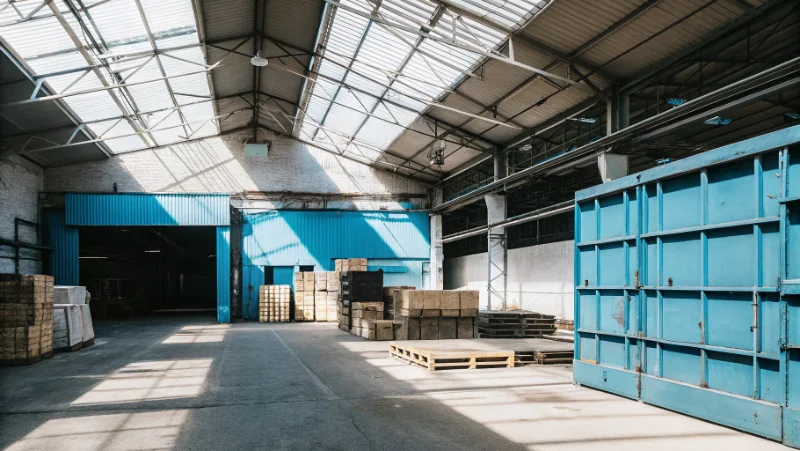
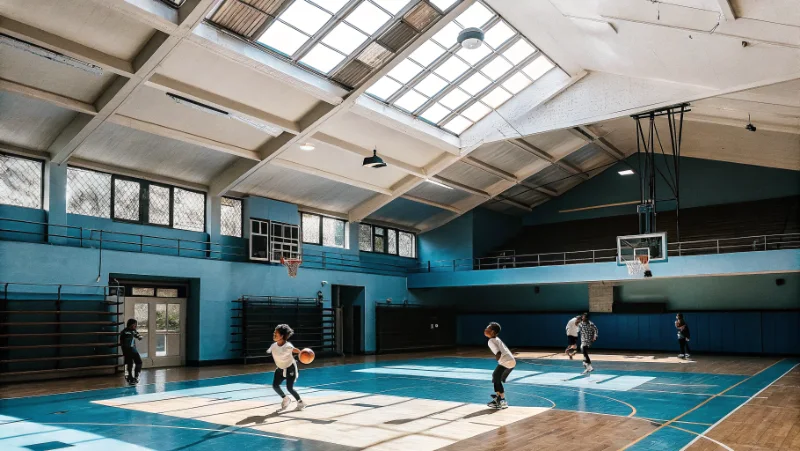
Industrial facilities present unique opportunities for daylighting due to high bay ceilings and substantial lighting loads from metal halide or high intensity discharge fixtures. The tall ceiling heights common in industrial buildings allow each daylighting unit to illuminate larger floor areas, improving project economics. Educational institutions prioritize daylighting for both energy savings and educational benefits from natural light exposure. Office buildings and institutional facilities adopt daylighting primarily for energy reduction and improved working environments.
FAQ
What lights do casinos use?
Modern casinos utilize sophisticated combinations of LED fixtures, incandescent accent lighting, and decorative chandeliers to create controlled atmospheric conditions on gaming floors. The lighting design emphasizes warm color temperatures around 2700-3000 Kelvin that create inviting environments without harsh glare. Back of house areas and public circulation spaces increasingly incorporate energy efficient LED systems and selective natural daylighting to reduce operational costs.
Why do casinos have lights?
Casino lighting serves multiple strategic purposes beyond basic visibility. The carefully designed lighting creates psychological environments that influence patron behavior, mood, and comfort levels. Warm inviting lighting encourages guests to relax and stay longer, while brighter accent lighting draws attention to specific gaming areas. Consistent illumination regardless of time of day eliminates natural circadian cues, allowing facilities to maintain constant atmospheric conditions across 24 hour operations.
How does Ciralight differ from traditional skylights?
Traditional passive skylights remain stationary, capturing direct sunlight only when the sun aligns with the opening angle, typically providing useful illumination for just four to six hours daily. Ciralight active daylighting systems employ GPS controlled tracking and mirror arrays that follow the sun throughout the day, extending effective lighting periods to ten or more hours.
What is ciralighting technology?
Ciralighting refers to the advanced daylighting systems manufactured by Ciralight Global that combine GPS tracking, solar power, and optical engineering to deliver natural illumination deep into building interiors. The technology uses autonomous sun tracking algorithms that calculate optimal mirror positions hundreds of times daily without external power connections.
Can daylighting systems operate in northern climates?
Active daylighting systems function effectively across all climate zones including northern regions with long winter nights and frequent cloud cover. While annual daylight hours decrease at higher latitudes, the tracking capability ensures maximum light capture during available sunshine. Installations in northern locations still deliver substantial energy savings compared to year round artificial lighting.
What maintenance do SunTracker systems require?
Ciralight SunTracker systems require minimal maintenance due to the sealed design that protects moving components from weather exposure. Recommended maintenance consists of annual visual inspections to verify tracking operation and check dome condition. The solar panels that power tracking motors should be cleaned if dust or pollen buildup reduces charging efficiency.
Conclusion
Advanced daylighting technology represents a mature solution for reducing lighting energy consumption in commercial and institutional buildings. The combination of GPS tracking, solar power, and optical engineering delivers consistent natural illumination that matches or exceeds artificial lighting quality while eliminating ongoing energy costs. Strategic deployment that considers building function, occupancy patterns, and architectural constraints maximizes return on investment while enhancing occupant comfort and environmental quality.